



Oral Hygiene Tips for Teeth Straightening Devices
Maintaining proper oral hygiene during orthodontic treatment is essential to achieving the best results for your smile. Whether you are considering Invisalign or traditional braces, keeping your teeth and gums clean is crucial to avoid cavities, gum disease, and other oral health problems. This blog will cover practical tips for maintaining oral hygiene with braces or aligners, highlight the differences between Invisalign and traditional braces, discuss how teeth straightening impacts overall health, explain what to expect during your first consultation, and help you decide if you need orthodontic treatment.
Invisalign vs. Braces
Both Invisalign and traditional braces are effective methods for straightening teeth, but they differ in several ways. Traditional braces use metal brackets and wires to gradually move teeth into alignment. They require frequent visits to the orthodontist for adjustments and can be more noticeable, which may be a concern for some adults.
On the other hand, Invisalign uses clear, removable aligners that fit snugly over your teeth. These aligners are less visible, making them a popular choice for adults. They can be removed during eating or brushing, making oral hygiene easier to maintain. However, Invisalign may not be suitable for all types of orthodontic issues, particularly those that require significant tooth movement.
When choosing between the two, it is essential to consider the complexity of your dental needs, lifestyle preferences, and the cost of treatment. Your dentist will help you make an informed decision based on these factors.
Common Challenges with Braces and Aligners
This section can address potential issues that patients might encounter while wearing braces or aligners, including how to manage them and solutions to make the experience more comfortable. For example:
Common Challenges with Braces:
- Discomfort from Brackets and Wires: Some patients experience soreness or discomfort after getting braces or following adjustments. Soft foods and over-the-counter pain relievers can help ease this discomfort.
- Wire Breakage or Bracket Issues: Occasionally, wires can break, or brackets may come loose. It is essential to call your orthodontist right away for any necessary repairs.
Common Challenges with Invisalign:
- Discomfort from Tight Aligners: Some people may experience pain when they switch to a new set of aligners. This is a sign that the aligners are doing their job.
- Difficulty Wearing Aligners for 22 Hours a Day: Invisalign needs to be worn for 20-22 hours daily. It is essential to remain consistent to prevent patients from falling behind in their treatment.
Including this section will help patients feel more prepared for potential bumps in the road and provide reassurance about solutions.
How Straightening Your Teeth Impacts Your Overall Health
Straightening your teeth is not just about improving your appearance; it can also have significant health benefits. Properly aligned teeth are easier to clean, reducing the risk of tooth decay and gum disease. Misaligned teeth can create difficult-to-reach areas where plaque builds up, leading to cavities and other dental problems.
Straight teeth can also improve jaw alignment, reducing strain on the jaw muscles and joints, and alleviating issues like TMJ disorder and chronic headaches. Additionally, straight teeth contribute to better bite function, which can improve digestion and reduce tooth wear.
In some cases, improving your bite can improve speech clarity and breathing. All these factors contribute to a healthier mouth and a better quality of life.
What to Expect During Your First Consultation
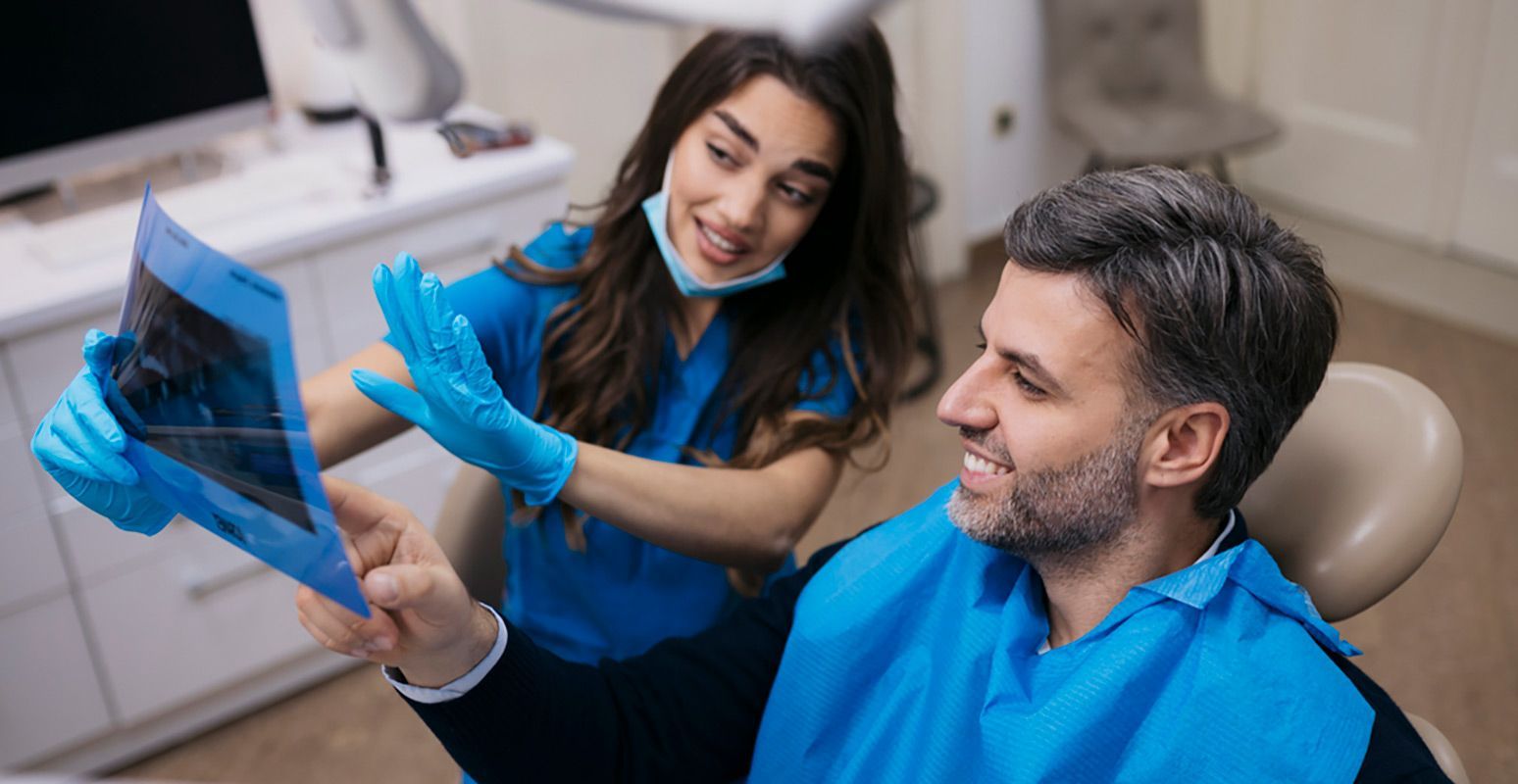
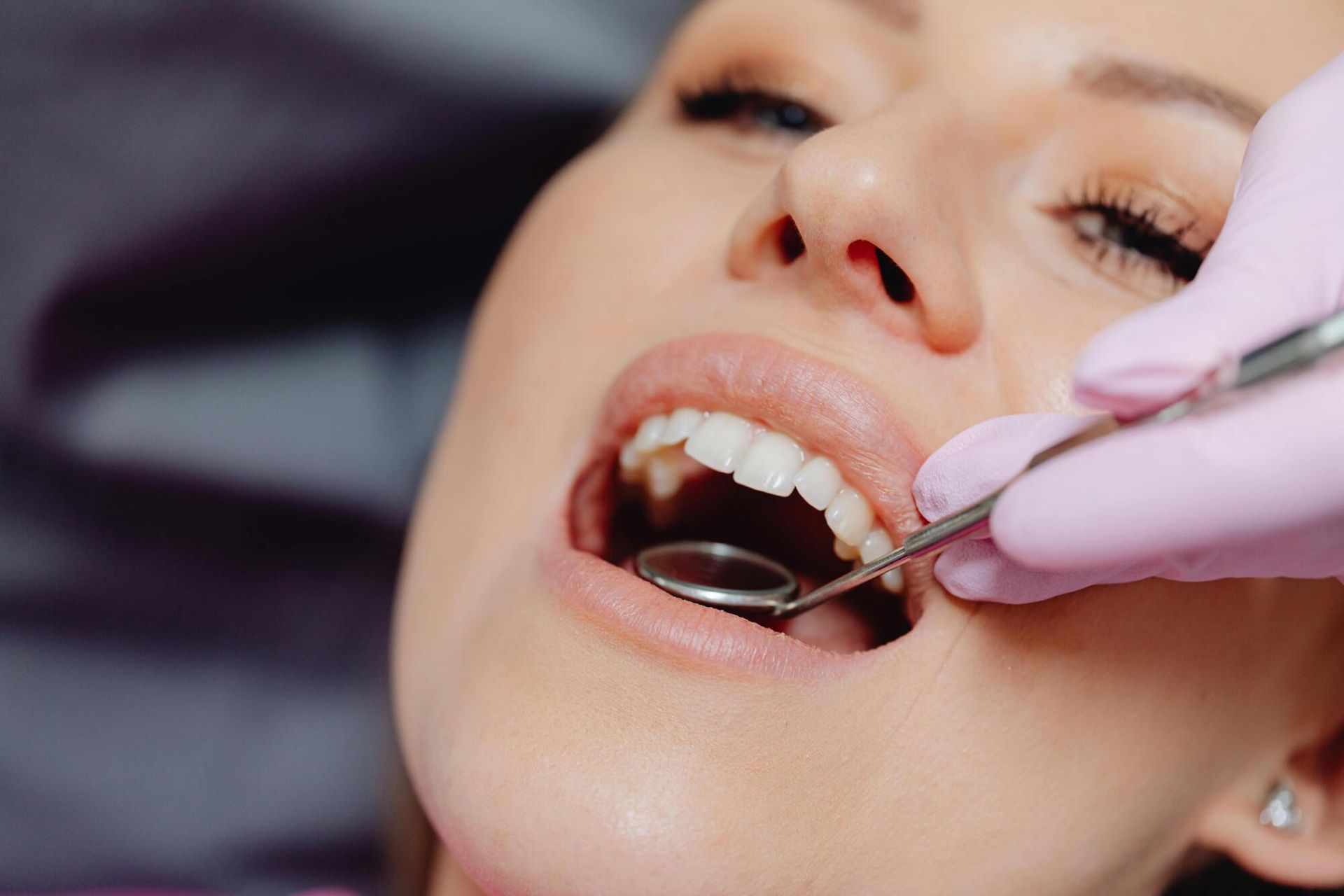
Your first consultation is an essential step in your orthodontic journey. During this visit, your dentist will assess your teeth, gums, and jaw to determine the best course of treatment. You can expect the following:
- Comprehensive Exam: Your dentist will perform a detailed exam of your mouth and may take X-rays to better assess the position of your teeth and the health of your gums and jaw.
- Treatment Discussion: Depending on your needs, your dentist will discuss whether you are a good candidate for braces or Invisalign and outline the treatment plan.
- Cost and Financing: You will also discuss the costs associated with your treatment and available payment options, including insurance coverage.
- Custom Plan: After considering all factors, your dentist will create a customized treatment plan that aligns with your dental and personal goals.
How to Decide if You Need Orthodontic Treatment
If you are wondering whether orthodontic treatment is proper for you, consider these signs:
- Crooked or Misaligned Teeth: If your teeth are not correctly aligned, you may benefit from orthodontic treatment.
- Difficulty Cleaning Teeth: Misaligned teeth can create hard-to-reach areas, leading to plaque buildup, cavities, and gum disease.
- Jaw Pain or Discomfort: If you experience jaw pain or discomfort, it may be due to misalignment.
- Speech or Bite Issues: If you have difficulty speaking or your bite does not fit together correctly, orthodontic treatment may help.
If any of these conditions apply to you, consider a consultation with an orthodontist to explore your options.
Orthodontic Treatment for Adults
Many adults may be considering teeth straightening later in life, and it is essential to let them know that orthodontic treatment is not limited to children or teens. This section can explain why more adults are choosing braces or Invisalign today and the benefits for adult patients, such as:
- Comfort and Convenience: Adults often prefer Invisalign because the clear aligners are discreet and easy to remove for eating and cleaning.
- Personal and Professional Benefits: A straighter smile can have a profound impact on both personal and professional life, especially in settings where confidence and appearance matter.
This will resonate with your target audience, especially since they are likely to be working adults in their late 20s and beyond.
Maintaining a Healthy Diet During Treatment
This section can focus on the importance of maintaining a balanced diet while undergoing teeth straightening treatment. Discussing healthy food choices will not only add valuable content but also tie into the overall theme of oral health. For example:
- Eating Nutrient-Foods: While avoiding certain sticky or hard foods is important, it is also essential to nourish your body with healthy options. Fruits, vegetables, lean proteins, and dairy products can support strong teeth and bones, which is especially important during orthodontic treatment.
- Drinking Plenty of Water: Staying hydrated is critical for good oral health. Water helps rinse away food particles, preventing plaque buildup.
This will make your article feel more comprehensive, as diet and nutrition play a significant role in dental health.
Oral Hygiene Tips for Braces and Aligners
Maintaining a clean mouth is crucial while undergoing orthodontic treatment. Here are some practical tips to ensure your teeth stay healthy throughout your treatment:
1. Brushing Techniques:
- For Braces: Brush your teeth after every meal using a soft-bristled toothbrush and fluoride toothpaste. Be sure to brush around each bracket and wire, using a circular motion to remove food particles and plaque.
- For Invisalign: Invisalign aligners should be removed before eating or drinking anything other than water. After removing the aligners, brush your teeth thoroughly before reinserting them to prevent plaque buildup.
2. Flossing Tools:
- For Braces: Use a floss threader to get the floss under the wires, making sure to clean between each tooth. Use an interdental brush to clean around the brackets.
- For Invisalign: Flossing is easier because you can remove the aligners. Use regular dental floss or a water flosser to remove debris between your teeth.
3. Dietary Recommendations:
- For Braces: Avoid sticky foods like caramel and gum, as they can get stuck in your braces and cause tooth decay. Hard foods like nuts and raw vegetables should also be avoided to prevent damage to the brackets.
- For Invisalign: While Invisalign aligners can be removed for eating, avoid drinking sugary or staining beverages like soda and coffee while wearing them.
4. Regular Check-Ups:
Even if you are maintaining good oral hygiene at home, regular dental visits are essential. Your dentist or orthodontist will ensure that your treatment is progressing as planned and make any necessary adjustments.
How to Care for Your Teeth After Treatment
Once braces or Invisalign treatment is complete, it is important to continue proper oral care to maintain long-term straight teeth. You could add a section on post-treatment care, which would include:
- Retainers: After your teeth are straightened, you will likely need to wear a retainer to keep them in place. This section could discuss the types of retainers, how often they need to be worn, and how to care for them.
- Continuing Oral Hygiene: Even after completing orthodontic treatment, good oral hygiene should be maintained. Brushing, flossing, and regular dental check-ups will help keep your smile looking its best for years to come.
Adding this section will give readers a well-rounded understanding of what to expect throughout the entire treatment process and aftercare.
FAQ Section
Q: How long will I need to wear braces or Invisalign?
A: Treatment duration varies depending on the complexity of your case. Typically, braces may take 18-24 months, while Invisalign can be completed in as little as 12 months for some patients.
Q: Can I whiten my teeth while wearing braces or Invisalign?
A: Whitening treatments can be done with Invisalign since they are removable, but with braces, the process is more complicated. Whitening treatments can be done after your braces are removed.
Q: Are there any restrictions on what I can eat with braces?
A: Yes, you should avoid sticky, hard, or chewy foods that can damage the brackets and wires. This includes foods like popcorn, candy, and chewing gum.
Q: How often should I visit my dentist or orthodontist during treatment?
A: You should visit your dentist every 3-6 months for routine check-ups and cleaning. For braces, you will need more frequent visits to adjust the wires and brackets.
Q: Can I switch from braces to Invisalign midway through treatment?
A: It is possible to switch from braces to Invisalign, but it depends on the complexity of your case. Your orthodontist will assess whether this is a viable option.
Why Choose Ivanhoe Dental for Your Teeth Straightening Needs?
At Ivanhoe Dental, we provide personalized, high-quality orthodontic care to help you achieve a healthier, more confident smile. Here is why you should choose us for your treatment:
- Experienced Team: Our skilled dentists and orthodontists use the latest technology to provide effective, tailored treatments, whether you choose braces or Invisalign.
- Customized Care: We create personalized treatment plans based on your unique goals and needs, ensuring the best results for your smile.
- Advanced Technology: With state-of-the-art tools such as digital imaging and 3D scanning, we offer precise, efficient treatment options for optimal results.
- Convenience: Our Riverdale, IL, location and flexible hours make it easy to fit orthodontic care into your busy life.
- Compassionate Service: We prioritize your comfort and ensure a smooth, stress-free experience every step of the way.
- Affordable Options: We offer flexible financing and work with most insurance plans to make treatment more accessible.
Choose Ivanhoe Dental for expert care, a personalized approach, and results you can be proud of. Schedule your consultation today!


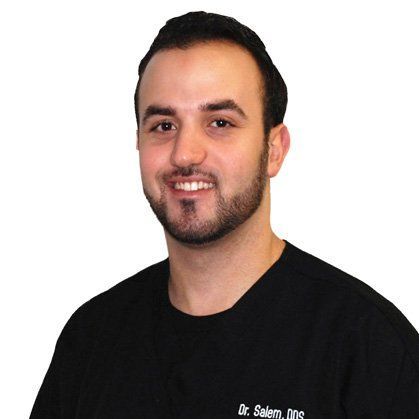
Dr. Munther Salem
D.D.S
Dr. Munther Salem grew up in the Southwest Suburbs of Chicago. He received his Bachelors of Science degree in Biology from Benedictine University. He then attended the University of Illinois at Chicago School of Dentistry, where he earned his Doctor of Dental Surgery degree. Dr. Salem is an active member of the American Dental Association, Chicago Dental Society, and Illinois State Dental Society. Dr. Salem has also been on two medical mission trips to Jerusalem treating special needs children. Dr. Salem enjoys traveling and spending time with his wife and daughter. Dr. Salem is happy to be back in the South Suburbs where he grew up to provide excellent patient care to the Ivanhoe Family.
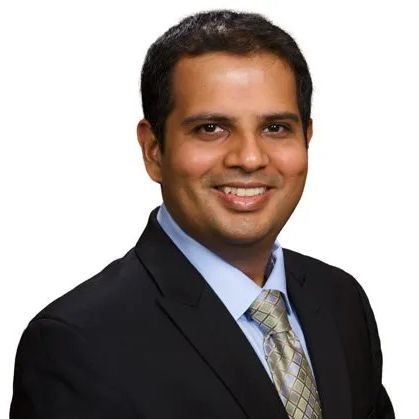
Dr. Monil Shah
D.D.S
Dr. Shah completed his dental education at Boston University School of Dental Medicine and has been practicing dentistry since 1999. In the years since, he has devoted himself to creating an environment in which patients know they are welcome as soon as they walk in the door. He is focused on providing excellent dental care and helping patients stay comfortable throughout their visits. Dr. Shah believes in giving patients the time to ask questions about their health and providing them with knowledgeable answers.

Dr. Janani Gurukkal
D.D.S
Dr. Gurukkal is new to the windy city and excited to join the Ivanhoe team. She was born and raised in Nashville, TN. She received her Bachelors of Science in Kinesiology from the University of Kentucky. She then pursued her Doctor of Dental Medicine at the University of Louisville. After graduation, she completed an Advanced Education of General Dentistry residency at A.T Still University in Arizona. Dr. Gurukkal has always had a passion for healthcare. She understands the importance of oral health and how it can have a profound impact on your overall health. She enjoys taking her time to get to know her patients in order to provide them with the highest quality of care. Her goal is to create an environment where patients can feel safe and comfortable to get the treatment they deserve. Dr. Gurukkal is an active member of the American Dental Association, Illinois State Dental Society, and Chicago Dental Society. She devotes her time to continuing education in order to stay current with the latest advancements of dentistry.
Outside the clinic she has spent time volunteering in her local community as well as abroad. In her free time, Dr. Gurukkal loves traveling and spending time with her family.

Dr. Ken Arrietta
D.D.S
A firm believer in patient education, Dr. Arrieta is a specialist in periodontics, the treatment of all the supporting structures of the teeth, including the gums, and the placement of dental implants. Dr. Arrieta’s skills enable many patients to complete their entire treatment plans at our location, avoiding the necessity of being referred to another office.
After completing his undergraduate studies at Loyola University, where he also made the Dean’s List, Dr. Arrieta earned his Doctorate of Dental Surgery at Northwestern University School of Dentistry. He continued his advanced specialist training at the University of Iowa where he received his Certificate in Periodontics.
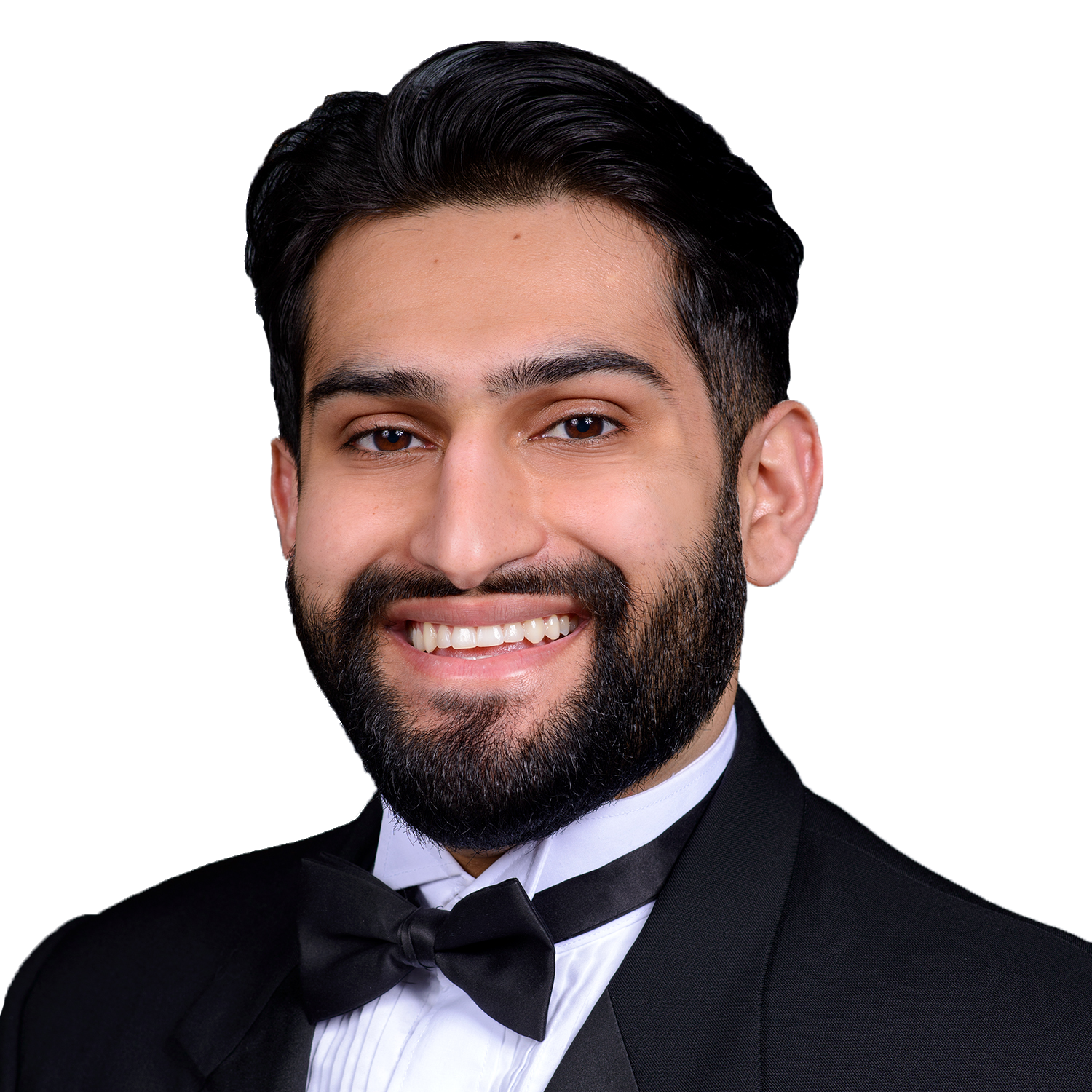
Dr. Ravneet Bhullar
D.D.S
Dr. Ravneet Bhullar grew up in the heart of Atlanta, Georgia. He received his Bachelors of Science degree in Biology from the University of Georgia. Go Dawgs! Soon after Dr. Bhullar earned his Doctor of Dental Medicine degree from the University of Louisville School of Dentistry. Dr. Bhullar is an active member of the American Dental Association, Chicago Dental Society, and Academy of General Dentistry. Dr. Bhullar loves helping his patients' smile and helping them to maintain their oral health. When Dr. Bhullar is not in the office, he enjoys traveling to new places and spending time with his fiancée and their lovely cavalier poodle named Bean. Everyday Dr. Bhullar looks forward to learning more about his patients and providing them with all their dental needs!