
Dental Implant Cost in Riverdale, IL (2026 Guide)

Ivanhoe Dental Group • October 8, 2026

Dental implant cost in Riverdale, IL ranges $3,000–$5,500 per tooth. See real pricing, insurance and financing.

A single dental implant in Riverdale, IL typically runs $3,000 to $5,500, which covers the titanium implant post, the abutment, and the crown. Replacing multiple teeth costs more, and a full-arch solution like All-on-4 runs $18,000 to $26,000 per arch. The exact number depends on how many teeth you're replacing, whether you need bone grafting, and which implant system your dentist recommends.


What Drives the Cost of a Dental Implant?


Five factors move your price within that range: the number of implants needed, whether bone grafting or a sinus lift is required, the implant brand and material, the crown material, and whether you choose sedation. A single healthy tooth with adequate bone sits at the lower end. Missing multiple teeth, prior bone loss, or a preference for zirconia components push the total higher. Your dentist can only give you a precise number after an exam and a CT scan, since bone volume and gum health both affect the treatment plan.


What's Included in the Price: And What Usually Isn't


A complete single-tooth implant quote should include three components: the implant post that fuses to your jawbone, the abutment that connects post to crown, and the crown itself. What's often billed separately: the initial CT scan or 3D imaging ($150–$300), any extraction, and bone grafting ($500–$1,200 per site) if your jawbone needs building up first. Ask for an itemized treatment plan before you commit, so you know exactly what the quoted number covers.


Full-Mouth and Multiple-Tooth Implant Costs


Replacing several teeth in one area typically runs $7,000 to $15,000, depending on how many implants anchor the bridge. A full-arch solution such as All-on-4 or All-on-6 generally costs $18,000 to $26,000 per arch in the south suburbs, somewhat lower than downtown Chicago pricing. Implant-supported dentures, which snap onto a smaller number of implants, offer a lower-cost middle ground for patients missing most or all of their teeth.


Does Insurance or Illinois Medicaid Cover Implants?


Most dental PPO plans treat implants as a major or elective procedure, covering 0% to 50% after a waiting period, with annual maximums often capped between $1,000 and $3,000. That leaves a meaningful balance for most patients. HSA and FSA funds apply to implant treatment. Illinois Medicaid generally covers dentures but not implants, except in rare cases where medical necessity can be documented. Your dentist may recommend pursuing this route if tooth loss resulted from trauma or a medical condition. Coverage policies and eligibility can change, so patients should confirm current benefits with their provider before beginning treatment.


Ivanhoe Dental Group can also review your available benefits and help you understand which portions of your treatment may be covered.


What Actually Happens at Each Appointment


The process moves in stages, not just one visit. Appointment one is a consultation with diagnostic imaging, which may include 3D/CBCT imaging and then a treatment plan, usually 60 to 90 minutes. If an extraction is needed first, your dentist may recommend 6 to 8 weeks of healing before placement. Appointment two is the surgical placement itself, typically 45 to 90 minutes under local anesthesia, with sedation available for anxious patients. Then comes the part patients underestimate: 3 to 6 months of osseointegration, where the bone fuses to the implant post before it can safely support a crown. Once healing is confirmed, your dentist takes an impression or digital scan, and the final crown is seated 2 to 3 weeks later.


"Patients often assume the surgery is the long part of the process," says Dr. Munther Salem, DDS, of Ivanhoe Dental Group. "The placement itself is usually done in under an hour. What actually takes time is letting the bone properly fuse to the implant before we load it with a crown. Rushing that step is where problems start later."


At Ivanhoe Dental Group, Dr. Salem works alongside Dr. Ken Arrieta, a specialist in periodontics and dental implant placement. Because surgical and restorative care are handled under one roof, many patients can complete their entire implant treatment at the Riverdale location without being referred to an outside specialist.


For a single tooth without grafting, total time from first visit to final crown generally runs 4 to 8 months. Patients considering an implant procedure should plan around that window rather than a single appointment date.


Dental Implants vs. Bridges vs. Dentures: Cost Over Time


A three-unit bridge often costs less upfront than an implant, but it requires grinding down two adjacent teeth and typically needs replacement every 7 to 10 years. Dentures cost less initially too, but relines, adhesives, and eventual replacement add up, and dentures don't stop the jawbone loss that continues after tooth loss. An implant costs more on day one but is designed to function like a natural tooth for decades with normal brushing and flossing, which is why many patients weigh 10-year cost rather than sticker price alone.


Financing Options in Riverdale


Most implant patients don't pay the full amount upfront. Third-party medical financing such as CareCredit spreads the cost over monthly payments, often with interest-free promotional periods. In-house payment plans and HSA/FSA reimbursement are additional ways to manage the expense without delaying treatment. We'll never recommend a procedure you don't truly need, and our team will give you an honest breakdown of costs before you commit to anything.


FAQs


Q1. How much does a single dental implant cost in Riverdale, IL?


A: A single implant in Riverdale typically costs $3,000 to $5,500, covering the post, abutment, and crown. Bone grafting, extractions, and imaging are often priced separately. Your exact cost depends on bone health and how many teeth you're replacing, so a consultation gives the most accurate number.


Q2. Does dental insurance cover implants in Riverdale?


A: Most PPO plans cover 0% to 50% of implant costs after a waiting period, with annual maximums between $1,000 and $3,000. Illinois Medicaid typically covers dentures rather than implants. HSA and FSA funds can be applied. Ask your provider for a pre-treatment estimate before scheduling.


Q3. How long does the dental implant process take from start to finish?


A: For a single tooth without grafting, expect 4 to 8 months from consultation to final crown. Surgical placement takes under 90 minutes, but the bone needs 3 to 6 months to fuse to the implant before a crown can be safely attached.


Ready for an exact price?


Schedule an implant consultation at Ivanhoe Dental Group in Riverdale, IL, call (708) 849-8627 or Book online for a personalized treatment plan and cost estimate.


Dental team member showing a smiling patient her new full-arch restoration in a hand mirror
By Ivanhoe Dental Group • October 8, 2026
Real Riverdale patient stories on All-on-4 cost Chicago pricing, from consultation to results with Dr. Salem at Ivanhoe Dental Group.
Woman smiling while viewing virtual dental icons on a transparent screen in a bright kitchen
By Ivanhoe Dental Group • May 1, 2026
Teeth whitening, veneers, or bonding? Learn which cosmetic dentistry option is right for your smile in Riverdale, IL—expert guide & tips.
Hands cupping a white tooth, symbolizing dental care or protection.
By Ivanhoe Dental Group • February 24, 2026
Discover dental implants, bridges, and dentures at Ivanhoe Dental in Riverdale, IL. Learn about the benefits, care, and maintenance of your tooth replacement options for a lasting, healthy smile.
Smiling mouth with bright white teeth.
By Ivanhoe Dental Group • October 28, 2025
Discover a holistic approach to cosmetic dentistry at Ivanhoe Dental Group. Enhance your smile with veneers, whitening, Invisalign, and more for lasting oral health.
Smiling woman's mouth, showing straight, white teeth. Lips are slightly parted. Close-up shot.
By Ivanhoe Dental Group • August 29, 2025
Discover how Invisalign at Ivanhoe Dental Group in Riverdale, IL improves more than your smile. Straighter teeth support oral health, confidence, and long-term wellness.
Tooth Replacement Options
By Ivanhoe Dental Group • June 21, 2025
Discover the best tooth replacement options - implants, bridges, or dentures. Read more to find out which option suits your needs best, and smiles await!
periodontal maintenance
By Ivanhoe Dental Group • May 26, 2025
Why is periodontal maintenance vital? Discover its role in oral health and preventing gum disease post-treatment. Get tips to ensure long-lasting results today.
By Ivanhoe Dental Group • March 24, 2025
You smile in the mirror, but something holds you back. Maybe it's the gap that's always bothered you or the slight crowding that makes you hesitate in photos. You're not alone; millions of adults feel self-conscious about their teeth but assume orthodontics is just for teenagers. The truth? Teeth straightening has never been more accessible, and modern options fit seamlessly into adult lifestyles. If you've put off treatment because of uncertainty or outdated ideas about braces, now is the time to reconsider. A consultation is the first step to feeling confident in your smile, and it's easier than you think. Keep reading to find out what to expect. Why the Initial Orthodontic Consultation is Important A teeth straightening consultation is more than just a quick check-up. It's a detailed evaluation that helps determine the best approach for aligning your teeth safely and effectively . Many adults hesitate to schedule one, assuming orthodontics is a hassle or too expensive. But the truth is that modern options make it easier than ever to get a straighter smile without major lifestyle disruptions . What Happens During the Consultation This first visit is about getting a clear picture of your dental health and discussing what treatments might work best for you. The orthodontist will examine your teeth, gums, and jaw to identify any misalignment, crowding, or bite issues. They might take digital scans or X-rays to assess everything properly. Why It's Important to Start with a Consultation Skipping a consultation could lead to picking the wrong treatment or not addressing underlying issues. An in-depth evaluation ensures: The right treatment is chosen based on your dental health You understand what to expect, including treatment length and maintenance Any potential concerns, like gum disease or tooth sensitivity, are caught early This appointment is the first step toward a perfect smile, making it a necessary part of the process. Step-by-Step: What Happens During Your Consultation Understanding the steps involved can help you feel more comfortable before your first visit. Here's a breakdown of what you can expect: Discussion of Your Dental History and Goals The orthodontist will start by asking about your dental history, including any previous treatments or concerns. They'll also discuss what you hope to achieve with teeth straightening. Some people want a subtle improvement, while others need more advanced correction. Examination and Imaging A physical exam will assess tooth alignment, jaw function, and bite positioning. In many cases, digital scans or X-rays will be used to get a more precise look. These images help identify spacing issues, crowding, or bite misalignment that might not be obvious during a basic exam. Treatment Recommendations Once the examination is complete, the orthodontist will go over possible treatment plans . They'll explain the differences between options like braces for adults and invisible aligners, as well as how long each option might take. Cost and Payment Discussion At this stage, you'll receive an estimate of the teeth straightening cost based on your specific needs. Some offices offer flexible payment plans or financing options to make treatment more accessible. Discussing Orthodontic Treatment Options There's no single approach that works for everyone. Your orthodontist will explain different treatments so you can choose what fits best with your lifestyle and goals . Braces Many adults assume braces are just for teenagers, but that's not true. Advances in orthodontics have made them more comfortable and less noticeable . Braces remain one of the most effective ways to correct severe misalignment. Some benefits of braces include: Consistent pressure moves teeth into place over time Effective for complex corrections like severe crowding or bite issues Available in different styles, including ceramic brackets for a less noticeable look Invisible Aligners For those who want a more discreet option, invisible aligners offer a nearly invisible way to straighten teeth . These removable trays gradually shift teeth into place without wires or brackets. Some benefits of invisible aligners include: Clear, plastic trays that are barely noticeable Removable for eating and brushing, making oral hygiene easier Typically more comfortable than traditional braces How to Choose the Right Treatment The best treatment depends on the severity of misalignment, lifestyle preferences, and budget. During your consultation, your orthodontist will help you compare options and make an informed decision . Addressing Common Concerns and Questions Many adults have concerns about orthodontic treatment. Some worry about discomfort, while others hesitate due to time or cost. Addressing these concerns early makes it easier to move forward with confidence. Does Teeth Straightening Hurt? Some discomfort is normal, especially in the first few days after getting braces or switching aligners. However, most people adjust quickly, and any soreness usually fades within a week. How Long Does Treatment Take? The length of treatment varies based on how much correction is needed. On average: Invisible aligners take between 6 to 18 months for mild to moderate cases Braces typically take 12 to 24 months, depending on complexity What About Teeth Straightening Cost? Many people assume orthodontics is too expensive, but costs vary depending on the treatment. Teeth straightening cost can range widely, with factors like treatment type, duration, and office location playing a role. Practical Tips to Prepare for Your First Consultation Taking a few simple steps beforehand can make your appointment more productive. Some things to bring and do before your visit include: Make a list of questions about treatment options, cost, and timeline Bring dental records or previous X-rays, if available Check with your insurance provider about orthodontic coverage Be prepared to discuss daily habits that could impact treatment, like teeth grinding Being ready for your consultation makes it easier to get clear answers and start your treatment sooner. Take Your First Step to Straighter Teeth Today Now you know exactly what your first consultation involves and why teeth straightening is simpler and more effective than ever. With personalized orthodontic care, achieving a perfect smile is within your reach. At Ivanhoe Dental Group, we combine cutting-edge technology, including digital 3D imaging, with personalized orthodontic care, all delivered with honesty and kindness. With over 60 years in Riverdale, our welcoming, convenient office provides comprehensive dental care tailored specifically to your needs. Schedule your consultation today and discover why our community has trusted Ivanhoe Dental Group for generations.
By Ivanhoe Dental Group • February 23, 2025
As people get older, the average number of missing teeth increases from 0.7 at ages 20-34 to 3.8 at ages 50-64, according to the CDC's 2024 Oral Health Surveillance Report . This shocking statistic stresses the importance of taking care of your teeth at every stage of life. Tooth loss can make eating difficult, impact speech, and lower self-confidence. By following expert advice, you can keep your teeth strong and healthy for life. Simple daily routines, regular dental check-ups, and smart food choices all play a role in preventing tooth loss . Discussed below are these tips in detail. Brush and Floss Daily Dr. Marko Vujicic of the ADA (American Dental Association) Health Policy Institute believes that a golden era of oral health is coming because of the convergence of trends. This means that more people have a chance to take better care of their teeth, and you can be one of them by following simple daily habits. Brushing the teeth at least twice a day with dentist-recommended fluoride toothpaste and flossing once a day are simple habits you can adopt. If you don't brush and floss, plaque builds up, leading to bad breath, cavities, and gum infections. Gum disease doesn't always cause pain at first, so many people don't realize they have it until it's too late. However, a good oral hygiene routine can prevent this problem and improve dental health. It's also important to use the right brushing and flossing technique. Brush gently in small circles to clean every tooth, and floss carefully to reach between them. A soft-bristled toothbrush works best because it cleans well without hurting your gums. Use a Mouthwash With Fluoride As a key ingredient in mouthwash, fluoride helps repair weak enamel and prevent cavities. Many mouthwashes also fight bacteria that cause gum disease and bad breath. Selecting a dentist-recommended option ensures you receive the most effective protection for your oral health. For best results, use mouthwash at a different time than brushing so the fluoride from your toothpaste stays on your teeth longer. Swish it gently around the mouth for about 30 seconds, and don't rinse with water right after. This simple habit makes a big difference in keeping your teeth strong. Embrace a Tooth-Friendly Diet What you eat affects your teeth. Choosing the right foods can keep your teeth healthy for life. Some of the tooth-friendly foods you can add to your strong teeth diet include: Milk, cheese, and yogurt contain calcium that reinforces dental structure Spinach, kale, and other dark leafy vegetables deliver essential nutrients for healthy gums Crisp produce like apples, carrots, and celery naturally scrub teeth while eating Mineral-rich nuts and seeds offer protection against enamel deterioration Eating these foods can help you avoid cavities and gum disease . Figure out those that your body can tolerate and experiment with different recipes to make eating fun. Either way, a healthy diet also benefits your overall health, keeping you strong and energized. Stay Hydrated A dry mouth allows bacteria to grow, causing bad breath, gum disease, and decay. Even worse, sugary drinks like soda and juice can make things worse by feeding the bacteria that cause cavities. Choosing water instead of sugary drinks helps prevent tooth decay and keep your teeth strong. Fluoridated water adds even more protection by strengthening enamel. Drinking water throughout the day also helps your body produce saliva, which naturally fights bacteria. It's one of the simplest and most accessible ways to keep your smile healthy. Avoid Smoking and Alcohol Excessive smoking and drinking can harm your teeth and gums. These habits increase plaque, stain teeth, and increase gum disease risk. If you drink or smoke, quit or cut back as part of the natural ways to strengthen teeth and keep them longer. Smoking reduces blood flow to your sensitive gums, making healing from infections harder. On the other hand, alcohol dries out your mouth, which allows bacteria to grow and cause decay. Together, they make it much easier for gum disease to develop and lead to tooth loss. The effects of smoking and alcohol go beyond just your mouth. You may develop serious health problems such as oral cancer. Making healthier choices now will benefit your teeth and your overall well-being. Protect Your Teeth Protecting your teeth from cracks, chips, and wear is important for keeping them strong. Simple precautions now can save you from expensive dental work later. Here are some oral hygiene tips to observe: Use a nightguard if you grind your teeth while sleeping Wear a high-quality sports mouthguard if you play contact sports Avoid chewing hard objects, including ice, pens, or popcorn kernels Be mindful of clenching your jaw, and try to relax your facial muscles A little protection goes a long way in preventing broken or worn-down teeth . It can help you avoid dental problems in the future. Visit Your Dentist Regularly Seeing a dentist every six months helps keep your teeth and gums healthy. The checkups involve professional cleanings to remove plaque and exams to catch small problems before they become serious. They can help you avoid painful and expensive dental treatments when done regularly. A study funded by the National Institute of Dental and Craniofacial Research (NIDCR) found that when doctors talk to parents about oral health, children are more likely to see a dentist . The study showed that quick oral exams and referrals during medical checkups helped parents take better care of their children's teeth. This proves that good dental habits start early and can make a lifelong difference. Skipping dentist visits allows plaque and gum disease to get worse over time . By not going, you won't get personalized advice on oral care. So, keeping up with dental visits can benefit your smile. Preventing Tooth Loss: Simple Steps for Long-Term Oral Health Preventing tooth loss is achievable with simple daily habits. Brushing, flossing, consuming healthy foods, and visiting the dentist all help keep your teeth strong. Take care of your teeth now to enjoy a healthy smile for years. At Ivanhoe Dental Group, we help people keep their teeth strong and healthy. If you need a trusted dentist in Riverdale, IL, we're here for you. Call (708) 607-6854 or book an appointment online now.
A model of a person 's teeth with a blue background
By Ivanhoe Dental Group • December 30, 2024
Missing a front tooth? Uncover how it affects your oral health, confidence, and overall well-being. Explore solutions today!
More Posts
Lake Arbor Dr. Dexter McDrae

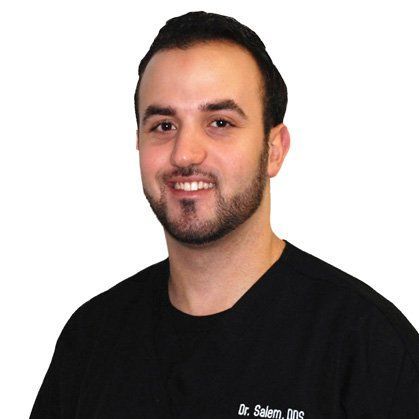
Dr. Munther Salem

D.D.S

Dr. Munther Salem grew up in the Southwest Suburbs of Chicago. He received his Bachelors of Science degree in Biology from Benedictine University. He then attended the University of Illinois at Chicago School of Dentistry, where he earned his Doctor of Dental Surgery degree. Dr. Salem is an active member of the American Dental Association, Chicago Dental Society, and Illinois State Dental Society. Dr. Salem has also been on two medical mission trips to Jerusalem treating special needs children. Dr. Salem enjoys traveling and spending time with his wife and daughter. Dr. Salem is happy to be back in the South Suburbs where he grew up to provide excellent patient care to the Ivanhoe Family.

Lake Arbor Dr. Cheryl Terrell

Dr. Monil Shah

D.D.S

Dr. Shah completed his dental education at Boston University School of Dental Medicine and has been practicing dentistry since 1999. In the years since, he has devoted himself to creating an environment in which patients know they are welcome as soon as they walk in the door. He is focused on providing excellent dental care and helping patients stay comfortable throughout their visits. Dr. Shah believes in giving patients the time to ask questions about their health and providing them with knowledgeable answers. 

Lake Arbor Dr. Cheryl Terrell

Dr. Janani Gurukkal

D.D.S

Dr. Gurukkal is new to the windy city and excited to join the Ivanhoe team. She was born and raised in Nashville, TN. She received her Bachelors of Science in Kinesiology from the University of Kentucky. She then pursued her Doctor of Dental Medicine at the University of Louisville. After graduation, she completed an Advanced Education of General Dentistry residency at A.T Still University in Arizona. Dr. Gurukkal has always had a passion for healthcare. She understands the importance of oral health and how it can have a profound impact on your overall health. She enjoys taking her time to get to know her patients in order to provide them with the highest quality of care. Her goal is to create an environment where patients can feel safe and comfortable to get the treatment they deserve. Dr. Gurukkal is an active member of the American Dental Association, Illinois State Dental Society, and Chicago Dental Society. She devotes her time to continuing education in order to stay current with the latest advancements of dentistry. 


Outside the clinic she has spent time volunteering in her local community as well as abroad. In her free time, Dr. Gurukkal loves traveling and spending time with her family.

Lake Arbor Dr. Cheryl Terrell

Dr. Ken Arrietta

D.D.S

A firm believer in patient education, Dr. Arrieta is a specialist in periodontics, the treatment of all the supporting structures of the teeth, including the gums, and the placement of dental implants. Dr. Arrieta’s skills enable many patients to complete their entire treatment plans at our location, avoiding the necessity of being referred to another office. 


After completing his undergraduate studies at Loyola University, where he also made the Dean’s List, Dr. Arrieta earned his Doctorate of Dental Surgery at Northwestern University School of Dentistry. He continued his advanced specialist training at the University of Iowa where he received his Certificate in Periodontics.

Lake Arbor Dr. Dexter McDrae

Dr. Ravneet Bhullar

D.D.S

Dr. Ravneet Bhullar grew up in the heart of Atlanta, Georgia. He received his Bachelors of Science degree in Biology from the University of Georgia. Go Dawgs! Soon after Dr. Bhullar earned his Doctor of Dental Medicine degree from the University of Louisville School of Dentistry. Dr. Bhullar is an active member of the American Dental Association, Chicago Dental Society, and Academy of General Dentistry. Dr. Bhullar loves helping his patients' smile and helping them to maintain their oral health. When Dr. Bhullar is not in the office, he enjoys traveling to new places and spending time with his fiancée and their lovely cavalier poodle named Bean. Everyday Dr. Bhullar looks forward to learning more about his patients and providing them with all their dental needs!