

How to Care for Your Tooth Replacement Solutions
For adults in Riverdale, IL seeking trusted restorative dental care, understanding how to properly maintain your tooth replacement solutions, whether it's dental implants, bridges, or dentures, can help ensure their longevity and promote excellent oral health. At Ivanhoe Dental, we are committed to providing quality care and educating patients on proper dental hygiene and care for these restorations.
Dental Implants: A Lifelong Investment
Dental implants are an exceptional choice for replacing missing teeth. Unlike other dental restoration options, such as bridges or dentures, implants offer a permanent, natural-looking solution that functions just like your real teeth. An implant is a titanium post placed directly into your jawbone, and it integrates with the bone through a process known as osseointegration. Once healed, the post serves as a sturdy base for attaching a crown or bridge, ensuring that the replacement teeth are secure and stable.
Implants are ideal for patients who want a reliable, long-lasting solution to tooth loss. The benefit of dental implants extends beyond their appearance, they help preserve the jawbone structure, as the titanium post encourages bone growth. This prevents the jaw from shrinking over time, which can occur when teeth are missing, and maintains the integrity of your facial structure.
Caring for Dental Implants
To ensure your dental implants last for many years, it’s essential to practice proper oral hygiene. Brushing twice daily with a soft-bristled toothbrush and using non-abrasive toothpaste will help prevent plaque build-up around the implant site. Flossing around the implant is also vital to remove any food particles or debris that may get trapped between the implant and adjacent teeth. Additionally, regular dental visits are crucial to monitor the health of the implant and surrounding gum tissue.
Avoid smoking, as it can hinder the healing process and may increase the risk of implant failure. Your dentist may also suggest a special antibacterial mouth rinse to reduce the risk of infection, especially during the initial healing period.
Different Types of Dental Implants
Dental implants come in several different types, depending on the number of teeth you need to replace and your unique dental situation. Understanding the types of dental implants can help you make an informed decision with your dentist.
- Single Implants: A
single implant is used to replace one missing tooth. It provides a stable, natural-looking replacement and is often considered the best solution for isolated tooth loss.
- Implant Bridges: If you’re missing several adjacent teeth, an
implant-supported bridge is a great solution. Instead of placing individual implants for each missing tooth, your dentist will place implants at both ends of the gap and attach a bridge with replacement teeth between them.
- All-on-X Implants: For patients with extensive tooth loss, the
All-on-X system can replace an entire arch of teeth with just a few implants. This system is ideal for patients who want to restore a full set of teeth without the need for traditional dentures.
Each of these types of implants offers distinct advantages, depending on your specific needs and the health of your remaining teeth and jawbone.
Implant Bridges vs. Dentures
When considering tooth replacement options, it’s essential to understand the differences between implant bridges and dentures. Both can restore missing teeth, but each has its own advantages and considerations.
- Implant Bridges are fixed restorations that are supported by dental implants. These bridges are ideal for replacing several missing teeth in a row. The key benefit is that, unlike traditional bridges, which rely on natural teeth for support, implant bridges are anchored to the jawbone, ensuring a secure, stable fit without affecting surrounding healthy teeth. They also help preserve bone structure by integrating with the jawbone.
- Dentures, in contrast, are removable prosthetic devices designed to replace multiple missing teeth. Dentures can be either partial (replacing only some teeth) or full (replacing an entire arch of teeth). While traditional dentures may be less expensive, they can feel less stable and may require adhesives or pastes to stay in place. Full dentures can be bulky, and many patients experience discomfort when wearing them for extended periods. However, modern advancements like
Snap-on Dentures, which are supported by dental implants, offer a much more secure and comfortable alternative to traditional removable dentures.
The Benefits of Dental Implants
Dental implants offer numerous benefits over other tooth replacement options:
- Long-Term Durability: Unlike traditional bridges and dentures, which need to be replaced over time, dental implants are designed to last a lifetime with proper care.
- Natural Look and Feel: Implants mimic the function and appearance of
natural teeth. They blend seamlessly with your existing teeth and look aesthetically pleasing.
- Improved Oral Health: Dental implants help prevent bone loss in the jaw, a common issue when teeth are missing. Implants stimulate the jawbone, keeping it healthy and intact.
- Comfort and Functionality: Implants are secure and stable, allowing you to eat, speak, and smile with confidence without worrying about them shifting or slipping, as can happen with dentures.
- No Need for Altering Healthy Teeth: Unlike bridges, which require the adjacent healthy teeth to be filed down to make room for the restoration, implants only affect the area of the missing tooth, leaving the surrounding teeth intact.
Crowns and Bridges: Restoring Function and Aesthetics
Crowns and bridges are commonly used in restorative dentistry to replace or repair damaged or missing teeth.
- Crowns are dental restorations that fit over a damaged or decayed tooth, providing strength and improving its appearance. Crowns are custom-made to match the color and shape of your natural teeth, giving you a seamless smile. Crowns are often used with dental implants to create the final restoration.
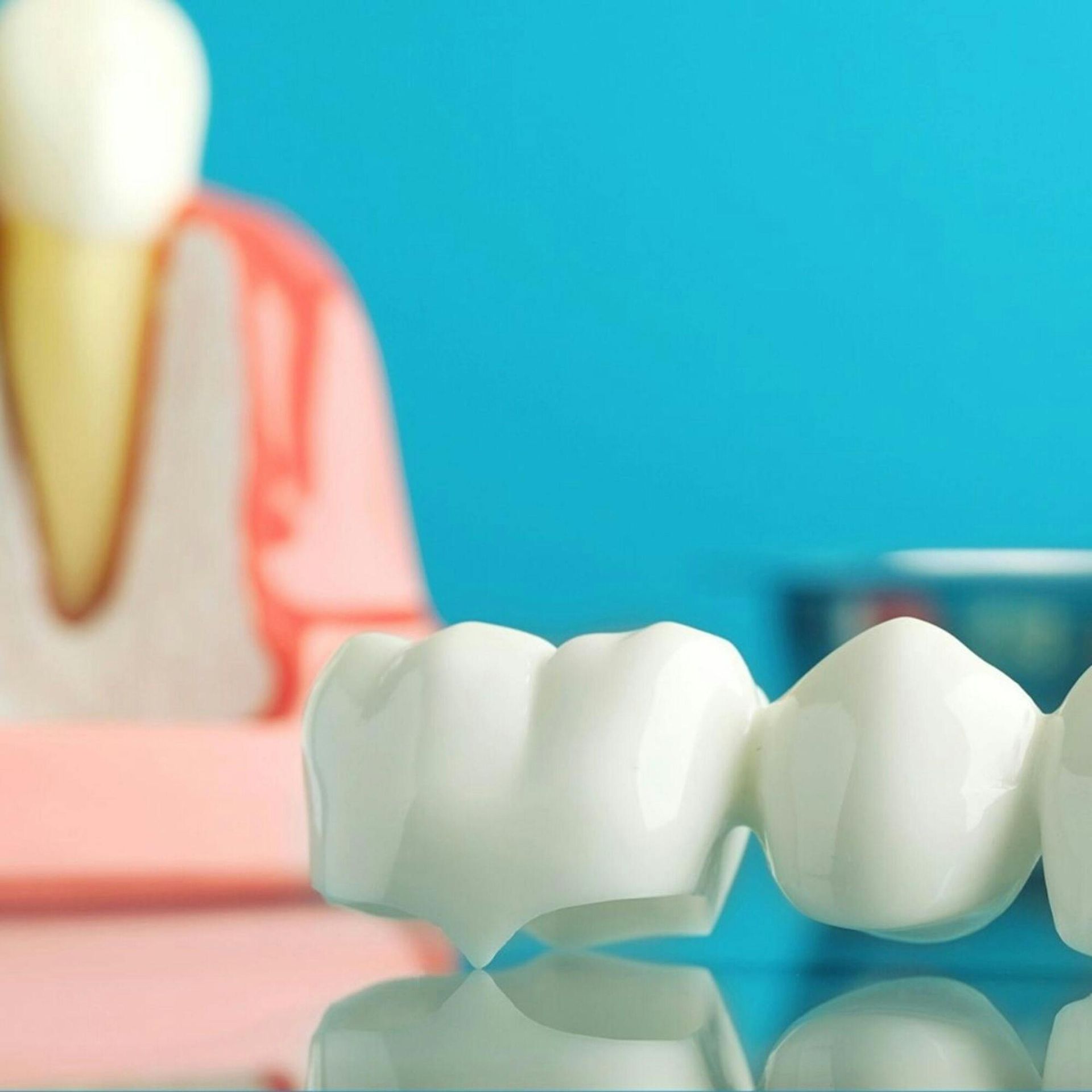
- Bridges replace multiple missing teeth by using the adjacent teeth or implants for support. They are a good option for patients who are missing several consecutive teeth. A bridge consists of one or more artificial teeth, which are anchored to the adjacent teeth or implants.
Caring for Crowns and Bridges
Maintaining crowns and bridges requires regular brushing and flossing, just like natural teeth. It’s especially important to floss around the bridge to prevent plaque build-up, which could lead to gum disease or decay under the restoration. Your dentist may also recommend special tools, such as a floss threader or interdental brushes, to help clean the hard-to-reach areas.
Partial and Full Dentures
Dentures are another common solution for replacing multiple missing teeth. Dentures can either be partial or full, depending on the extent of tooth loss.
- Partial Dentures are designed to replace some missing teeth while leaving the remaining natural teeth intact. They are connected by a metal or acrylic framework that fits snugly around your existing teeth.
- Full Dentures replace an entire set of missing teeth, either on the upper or lower jaw. Full dentures are custom-made to fit the patient’s mouth, providing a functional and aesthetic solution.
Snap-on Dentures
A more advanced option for denture wearers, snap-on dentures are removable and attach securely to dental implants. This provides enhanced stability and comfort compared to traditional removable dentures. Snap-on dentures eliminate the need for adhesives and pastes, allowing for a more natural feel and better functionality.
Caring for Dentures
Proper care for dentures is essential to ensure they last. Dentures should be cleaned daily with a denture brush and soaked overnight in a cleaning solution. Avoid using regular toothpaste, as it can be too abrasive and cause scratching. Additionally, it's important to visit your dentist regularly to ensure that your dentures are fitting properly and that your gum health is maintained.
Frequently Asked Questions (FAQ)
1. How long do dental implants last?
With proper care, dental implants can last a lifetime. They are made of durable titanium and are designed to integrate with the jawbone, making them one of the most long-lasting solutions for tooth replacement.
2. Are dentures comfortable to wear?
Modern dentures, especially implant-supported dentures, are designed for comfort. Snap-on dentures, for example, provide a stable, secure fit and offer greater comfort compared to traditional removable dentures.
3. Can I eat normally with implants?
Yes! One of the advantages of dental implants is that they function like natural teeth. Once the implant has fully integrated with your jawbone, you can eat all your favorite foods without worry.
4. How do I clean my implant-supported dentures?
Clean your dentures as you would regular dentures, and also clean around the implants with a soft-bristle brush and floss to prevent plaque buildup. Use a non-abrasive cleaner to avoid damaging the implant or dentures.
5. Do implants require special care?
Implants do not require special care beyond regular brushing, flossing, and professional check-ups. It’s important to maintain good oral hygiene and keep up with your dental appointments to ensure that your implants stay healthy.
Conclusion
Whether you're choosing dental implants, bridges, or dentures, it’s essential to properly care for your tooth replacement options. Regular brushing, flossing, and check-ups with your trusted dentist at Ivanhoe Dental in Riverdale, IL, will ensure that your smile remains healthy and bright for years to come.





Dr. Munther Salem
D.D.S
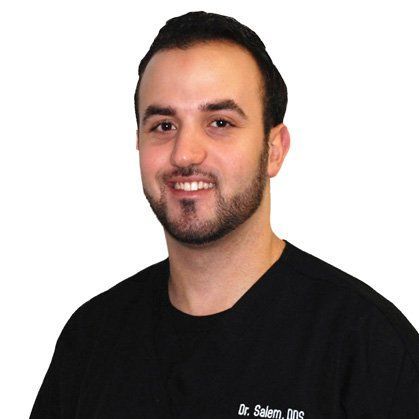
Dr. Munther Salem grew up in the Southwest Suburbs of Chicago. He received his Bachelors of Science degree in Biology from Benedictine University. He then attended the University of Illinois at Chicago School of Dentistry, where he earned his Doctor of Dental Surgery degree. Dr. Salem is an active member of the American Dental Association, Chicago Dental Society, and Illinois State Dental Society. Dr. Salem has also been on two medical mission trips to Jerusalem treating special needs children. Dr. Salem enjoys traveling and spending time with his wife and daughter. Dr. Salem is happy to be back in the South Suburbs where he grew up to provide excellent patient care to the Ivanhoe Family.

Dr. Monil Shah
D.D.S
Dr. Shah completed his dental education at Boston University School of Dental Medicine and has been practicing dentistry since 1999. In the years since, he has devoted himself to creating an environment in which patients know they are welcome as soon as they walk in the door. He is focused on providing excellent dental care and helping patients stay comfortable throughout their visits. Dr. Shah believes in giving patients the time to ask questions about their health and providing them with knowledgeable answers.

Dr. Janani Gurukkal
D.D.S
Dr. Gurukkal is new to the windy city and excited to join the Ivanhoe team. She was born and raised in Nashville, TN. She received her Bachelors of Science in Kinesiology from the University of Kentucky. She then pursued her Doctor of Dental Medicine at the University of Louisville. After graduation, she completed an Advanced Education of General Dentistry residency at A.T Still University in Arizona. Dr. Gurukkal has always had a passion for healthcare. She understands the importance of oral health and how it can have a profound impact on your overall health. She enjoys taking her time to get to know her patients in order to provide them with the highest quality of care. Her goal is to create an environment where patients can feel safe and comfortable to get the treatment they deserve. Dr. Gurukkal is an active member of the American Dental Association, Illinois State Dental Society, and Chicago Dental Society. She devotes her time to continuing education in order to stay current with the latest advancements of dentistry.
Outside the clinic she has spent time volunteering in her local community as well as abroad. In her free time, Dr. Gurukkal loves traveling and spending time with her family.

Dr. Ken Arrietta
D.D.S
A firm believer in patient education, Dr. Arrieta is a specialist in periodontics, the treatment of all the supporting structures of the teeth, including the gums, and the placement of dental implants. Dr. Arrieta’s skills enable many patients to complete their entire treatment plans at our location, avoiding the necessity of being referred to another office.
After completing his undergraduate studies at Loyola University, where he also made the Dean’s List, Dr. Arrieta earned his Doctorate of Dental Surgery at Northwestern University School of Dentistry. He continued his advanced specialist training at the University of Iowa where he received his Certificate in Periodontics.

Dr. Ravneet Bhullar
D.D.S
Dr. Ravneet Bhullar grew up in the heart of Atlanta, Georgia. He received his Bachelors of Science degree in Biology from the University of Georgia. Go Dawgs! Soon after Dr. Bhullar earned his Doctor of Dental Medicine degree from the University of Louisville School of Dentistry. Dr. Bhullar is an active member of the American Dental Association, Chicago Dental Society, and Academy of General Dentistry. Dr. Bhullar loves helping his patients' smile and helping them to maintain their oral health. When Dr. Bhullar is not in the office, he enjoys traveling to new places and spending time with his fiancée and their lovely cavalier poodle named Bean. Everyday Dr. Bhullar looks forward to learning more about his patients and providing them with all their dental needs!